
Budongo Forest Reserve Uganda
Ecotourism at Budongo Forest Reserve
Ecotourism is one of the most important conservation tools in Budongo Forest Reserve. It protects the forest’s biodiversity, supports scientific research, and generates income for local communities as travelers experience Uganda’s richest rainforest ecosystems. On eco tourism safari, you engage in wildlife conservation, environmental education, community participation and sustainable use of natural resources.
Why Budongo Forest is an essential travel Destination
Budongo Forest Reserve covers about 825 square kilometers with remarkable biodiversity i.e 600–700 chimpanzees, Nine primate species, More than 360 bird species, Over 465 tree and shrub species, Hundreds of butterfly and moth species. These natural features make Budongo forest one of Uganda’s leading ecotourism destinations for nature lovers, birdwatchers, researchers and wildlife enthusiasts.

Main Ecotourism Sites
Kaniyo-Pabidi
Kaniyo-Pabidi is the most popular ecotourism site in Budongo. Established to promote sustainable tourism and conservation, it is best known for chimpanzee tracking and environmental education programs. The site was developed with the goal of supporting forest conservation while creating benefits for neighboring communities.
Busingiro Ecotourism Site
Busingiro serves as another major gateway into Budongo Forest. It offers guided forest walks, birdwatching, butterfly identification, ecological education, and primate viewing. The site is an important example of how conservation, tourism, and research can coexist.
Royal Mile
The Royal Mile is one of East Africa’s finest forest birding trails. Visitors walk through pristine rainforest while observing rare birds, towering mahogany trees, butterflies, and other wildlife. The trail is particularly popular among international birdwatchers.
Ecotourism Activities
Chimpanzee Tracking
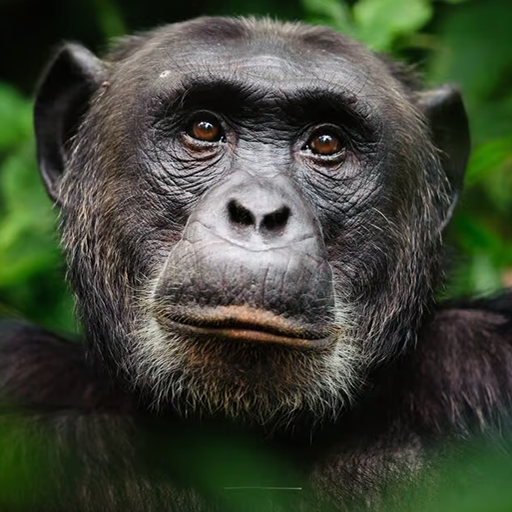
Chimpanzee tracking is the flagship ecotourism activity in Budongo. Visitors follow trained guides into the forest to locate habituated chimpanzee communities and observe them in their natural habitat. Revenue generated from permits helps support conservation programs and forest management.
Bird Watching
Budongo is internationally recognized for birding. Species such as Nahan’s Partridge, White-thighed Hornbill, Yellow-footed Flycatcher, and Great Blue Turaco attract birdwatchers from around the world. The Royal Mile and Busingiro are among the most productive birding areas.
Guided Nature Walks
Nature walks allow visitors to explore the rainforest with experienced guides who interpret the forest ecosystem, medicinal plants, wildlife, and conservation challenges. Walks often reveal monkeys, butterflies, and impressive mahogany and ironwood trees.
Butterfly and Primate Viewing
Budongo’s rich biodiversity offers opportunities to observe numerous butterfly species and several primates, including black-and-white colobus monkeys, grey-cheeked mangabeys, blue monkeys, and red-tailed monkeys.
About Budongo Forest
Budongo Forest Reserve is a tropical rainforest known for chimpanzee research, conservation, and ecotourism.
Located in northwestern Uganda close to Murchison Falls National Park with mahogany trees, big chimpanzee population, birdlife.
Budongo has five main forest-types: colonizing, mixed, Cynometra, Cynometra-mixed and swamp-forest. The majority of the reserve is covered by tropical high-forest communities. Medium-altitude semi-deciduous Cynometra-Celtis forest covers about half of the site and Combretum savanna is widespread in drier areas.
The vegetation of Budongo Forest Reserve includes moist, medium-altitude, semi-deciduous tropical rainforest. This makes some trees shed their leaves during the dry season, while many remain green throughout the year.
Vegetation Types in Budongo Forest
- Semi-deciduous Tropical Forest
- Cynometra Forest
- Mixed Forest
- Colonising Forest
- Swamp and Riverine Vegetation
- Savannah and Woodland Patches
Chimpanzee trekking in Budongo Forest is very exceptional to do as visitors transfer through the tropical rainforest with trained guides searching for the habituated chimpanzees in the green forest. Trekking the chimpanzees in the forest takes place at Kaniyo Pabidi, a section of Budongo Forest Reserve situated within Murchison Falls Conservation Area in the North Western part of Uganda. Another chimpanzee research and tourism area is the Sonso/Royal Mile sector.
Chimpanzee Trekking Process in the Reserve
Chimp trekking is usually done twice daily i.e Morning session: around 7:00–8:00 am, Afternoon session: around 2:00–3:00 pm.
Budongo Forest reserve is home to more than 600 chimpanzees with many habituated communities available for tourism and research. Sightings are usually very successful often above 80%.
Chimpanzee Trekking Permit Costs
Chimpanzee Trekking Permit to Budongo Forest reserve costs US $80–$130 for non-residents. Permits are usually booked through the Uganda Wildlife Authority or tour operators.
Permit prices vary depending on residency and operator, but many recent guides estimate:
Around USD 80–200 for non-residents. Lower rates for East African residents and Ugandans. Permits are usually booked through the Uganda Wildlife Authority or tour operators.
Chimpanzee Trekking Rules and Regulations
- Minimum age is usually 15 years
- Keep a safe distance from chimpanzees
- Do not feed or touch the animals
- Avoid trekking if sick to protect chimps from human diseases
- Flash photography is discouraged
Best Time for Trekking
The best trekking conditions are during Uganda’s dry seasons:
June to September
December to February
Trails are less slippery and easier to walk during these months.
Visitors to Budongo Forest Reserve usually pay for two main things:
- Chimpanzee trekking permits
- Park entry, accommodation, transport, and optional activities
Permit prices are managed mainly through the Uganda Wildlife Authority (UWA) and affiliated forest management authorities.
FAQs
How much is chimpanzee trekking at Budongo forest?
Permits cost $130 for foreign non-residents, $120 for foreign residents, and $85 for East African citizens.Is it safe to visit Budongo Forest?
Yes visiting Budongo Forest is very safe as the reserve is managed by the Uganda Wildlife Authority.What is the minimum age to trek chimpanzees in the forest?
To trek the chimpanzees in Budongo Forest, travelers must be at least 15 years old.How long is chimpanzee trekking in the reserve?
Chimpanzee trekking in the reserve gives you a chance to trek and watch the chimpanzees in their habitat. A typical chimpanzee trek in the forest reserve takes a period of 2 to 4 hours and when you meet them an hour is allowed in their presence.When is the best time to visit the forest reserve?
Budongo Forest Reserve can be visited anytime around the year although the best time to visit the reserve is during the dry season in the months of June to September and December to February. During this time, the trails can be easily accessed as well as visibility is clear.Talk to an Expert