
Budongo Forest Reserve Uganda
Chimpanzees at Budongo Forest
Budongo Forest Reserve is known for the rare chimpanzees which inhabit the green forest hence a reason as to why many travelers from all over the world visit the forest reserve on holiday. Located along the edge of the Albertine Rift in Northwestern Uganda, the Forest Reserve is one of East Africa’s most important tropical forests known to inhabit the rare chimpanzees. The forest is renowned for its rich biodiversity including the chimpanzees which offer travelers a deep look into their behavior, ecology and conservation.
In the forest reserve are about 600–700 eastern chimpanzees (Pan troglodytes schweinfurthii) making it one of Uganda’s famous chimpanzee habitats. In the forest reserve, continuous research has been conducted through the Budongo Conservation Field Station since 1990 to enhance conservation of the chimpanzees and welfare.

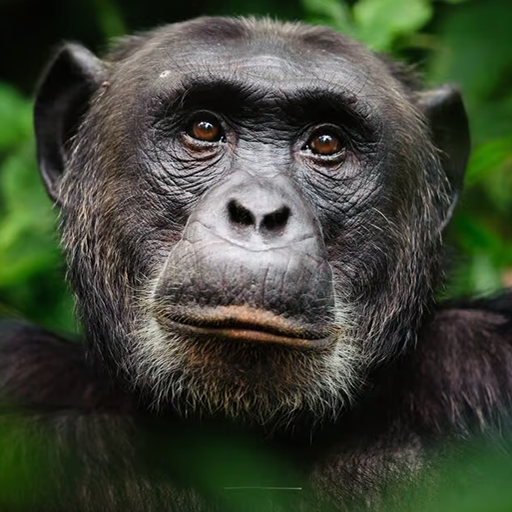
Chimpanzee communities at Budongo Forest Reserve
Chimpanzees in Budongo live in territorial communities, each occupying a distinct home range within the forest. These chimpanzee communities can be trekked by travelers on holiday.
Sonso Community;
Sonso Community is the best-studied group that has been monitored continuously since 1990. It comprises of about 80–90 known individuals. The Sonso community is the most famous and extensively studied group in Budongo. Named after the nearby Sonso River, this community has been observed continuously since 1990. Researchers have identified and named every individual chimpanzee in the group, allowing scientists to track family relationships, social status, births, deaths, and behavioral changes over decades. The community currently consists of approximately 80–90 individuals.
Long-term studies of Sonso chimpanzees have revealed complex social relationships, cooperation, conflict resolution, maternal care, communication patterns, and disease dynamics. Their habituation to human observers has made them one of the world’s most valuable chimpanzee research populations.
Waibira Community
Waibira Community is one of the largest groups in the forest with abut 100–120 chimpanzees. The Waibira community was chosen for habituation and research beginning in 2011. It is among the largest known chimpanzee groups in Uganda, with an estimated population of 100–120 individuals and more than 30 adult males. Scientists use this community to study interactions between neighboring chimpanzee groups and compare social structures with the Sonso community.
Kaniyo-Pabidi Community
Kaniyo Pabidi Community is a habituated group that visitors can track during guided chimpanzee trekking excursions. It is situated in the northeastern section of the forest, the Kaniyo-Pabidi chimpanzees are the community most often visited by tourists. These chimpanzees have been habituated to human presence and are monitored for health and conservation purposes. Guided tracking excursions allow visitors to observe them in their natural habitat while minimizing disturbance.
Other known communities include Busingiro, Waisoke and Nature Reserve groups though these are less studied and generally not accessible to visitors.
Chimpanzee trekking
The most popular tourist activity is chimpanzee tracking at Kaniyo Pabidi, where visitors can follow habituated chimpanzees in their natural forest habitat. Sightings are generally very good, though they are never guaranteed because the animals are wild. Budongo is one of Africa’s longest-running chimpanzee research sites that offers you insights of the chimpanzees regarding their Communication and gestures, Social behavior, Tool use, Disease ecology, Conservation threats like snare injuries and habitat disturbance.
Social Life and Behavior
Chimpanzees live in highly unique societies identified by shifting subgroups known as “fission-fusion” societies. Members separate into smaller parties during the day to forage then get back together later. This flexibility enables them cope with changes in food availability and competition.
In Budongo forest reserve, chimpanzees engage in cooperative hunting and food sharing, Grooming as a means of strengthening social bonds, Territorial patrols along community boundaries, Strategic alliances among males, Maternal care lasting many years, Sophisticated vocal communication as well as “pant-hoot” calls.
Researchers in the forest reserve have showcased amazing social dynamics like female migration between communities, competition among males for dominance, and intergroup encounters that can occasionally become aggressive.
Habitat and Diet
Budongo Forest Reserve is a moist, semi-deciduous tropical rainforest covering about 435 square kilometers. Its extensive canopy, rich plant diversity, and abundant fruit resources make it ideal chimpanzee habitat. The foods the chimpanzees feed on include; Wild fruits, Young leaves, Seeds, Flowers, Tree bark, Insects such as termites and ants, candid vertebrates and monkeys. The forest’s famous mahogany and ironwood trees provide important feeding, nesting, and travel routes for chimpanzees.
About Budongo Forest
Budongo Forest Reserve is a tropical rainforest known for chimpanzee research, conservation, and ecotourism.
Located in northwestern Uganda close to Murchison Falls National Park with mahogany trees, big chimpanzee population, birdlife.
Budongo has five main forest-types: colonizing, mixed, Cynometra, Cynometra-mixed and swamp-forest. The majority of the reserve is covered by tropical high-forest communities. Medium-altitude semi-deciduous Cynometra-Celtis forest covers about half of the site and Combretum savanna is widespread in drier areas.
The vegetation of Budongo Forest Reserve includes moist, medium-altitude, semi-deciduous tropical rainforest. This makes some trees shed their leaves during the dry season, while many remain green throughout the year.
Vegetation Types in Budongo Forest
- Semi-deciduous Tropical Forest
- Cynometra Forest
- Mixed Forest
- Colonising Forest
- Swamp and Riverine Vegetation
- Savannah and Woodland Patches
Chimpanzee trekking in Budongo Forest is very exceptional to do as visitors transfer through the tropical rainforest with trained guides searching for the habituated chimpanzees in the green forest. Trekking the chimpanzees in the forest takes place at Kaniyo Pabidi, a section of Budongo Forest Reserve situated within Murchison Falls Conservation Area in the North Western part of Uganda. Another chimpanzee research and tourism area is the Sonso/Royal Mile sector.
Chimpanzee Trekking Process in the Reserve
Chimp trekking is usually done twice daily i.e Morning session: around 7:00–8:00 am, Afternoon session: around 2:00–3:00 pm.
Budongo Forest reserve is home to more than 600 chimpanzees with many habituated communities available for tourism and research. Sightings are usually very successful often above 80%.
Chimpanzee Trekking Permit Costs
Chimpanzee Trekking Permit to Budongo Forest reserve costs US $80–$130 for non-residents. Permits are usually booked through the Uganda Wildlife Authority or tour operators.
Permit prices vary depending on residency and operator, but many recent guides estimate:
Around USD 80–200 for non-residents. Lower rates for East African residents and Ugandans. Permits are usually booked through the Uganda Wildlife Authority or tour operators.
Chimpanzee Trekking Rules and Regulations
- Minimum age is usually 15 years
- Keep a safe distance from chimpanzees
- Do not feed or touch the animals
- Avoid trekking if sick to protect chimps from human diseases
- Flash photography is discouraged
Best Time for Trekking
The best trekking conditions are during Uganda’s dry seasons:
June to September
December to February
Trails are less slippery and easier to walk during these months.
Visitors to Budongo Forest Reserve usually pay for two main things:
- Chimpanzee trekking permits
- Park entry, accommodation, transport, and optional activities
Permit prices are managed mainly through the Uganda Wildlife Authority (UWA) and affiliated forest management authorities.
FAQs
How much is chimpanzee trekking at Budongo forest?
Permits cost $130 for foreign non-residents, $120 for foreign residents, and $85 for East African citizens.Is it safe to visit Budongo Forest?
Yes visiting Budongo Forest is very safe as the reserve is managed by the Uganda Wildlife Authority.What is the minimum age to trek chimpanzees in the forest?
To trek the chimpanzees in Budongo Forest, travelers must be at least 15 years old.How long is chimpanzee trekking in the reserve?
Chimpanzee trekking in the reserve gives you a chance to trek and watch the chimpanzees in their habitat. A typical chimpanzee trek in the forest reserve takes a period of 2 to 4 hours and when you meet them an hour is allowed in their presence.When is the best time to visit the forest reserve?
Budongo Forest Reserve can be visited anytime around the year although the best time to visit the reserve is during the dry season in the months of June to September and December to February. During this time, the trails can be easily accessed as well as visibility is clear.Talk to an Expert